How to Plan and Schedule Regular Maintenance for Floating Solar Power Plants
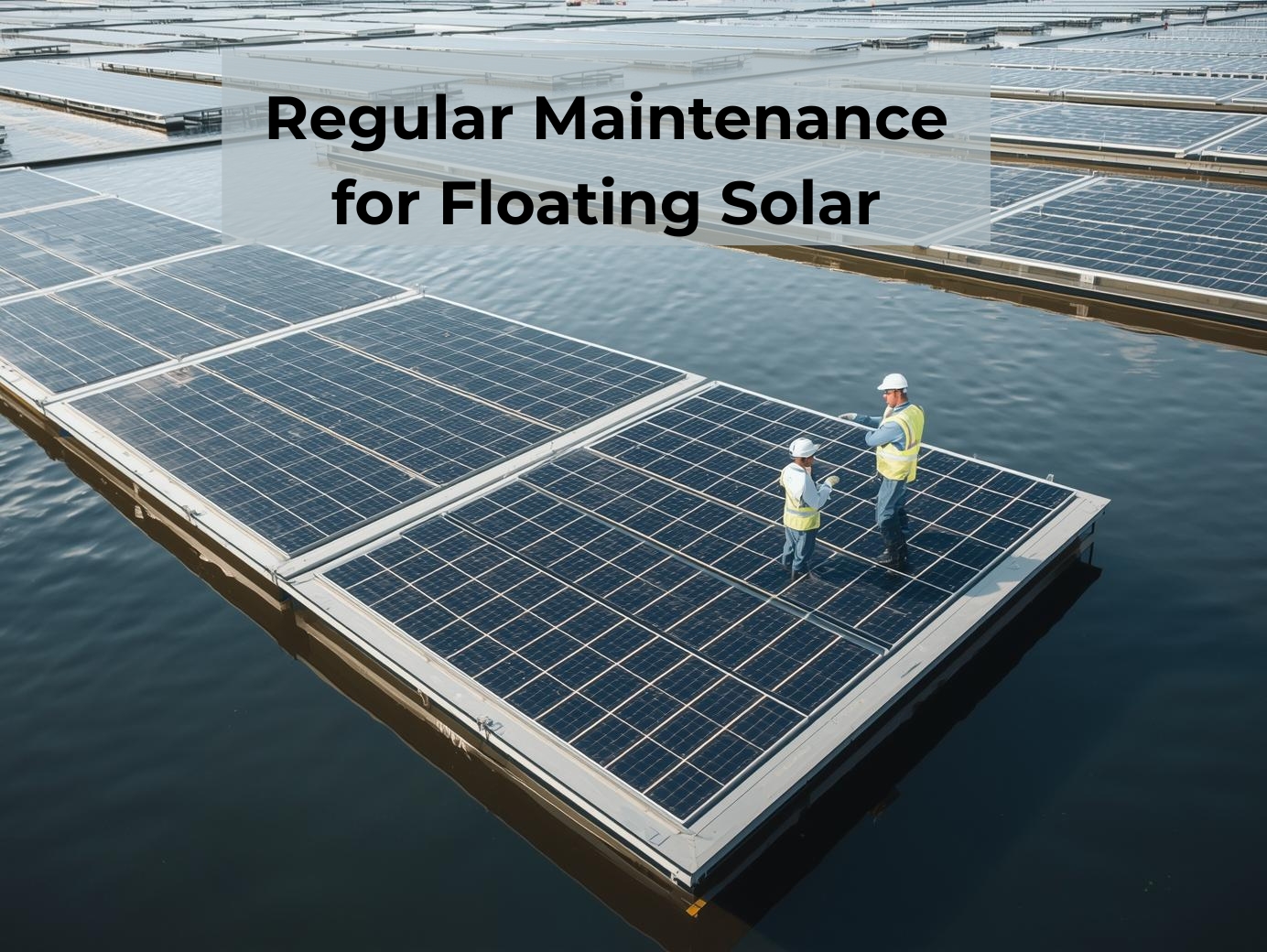
To ensure the efficient operation and safety of floating solar plant, regular maintenance is necessary. These PV systems are located on water and are subject to wind, humidity, algae, and constant motion. As a result, they require much more planning than traditional land-mounted solar PV systems. Developing and implementing an effective maintenance plan will allow operators to optimise electricity production and reduce downtime during outages.
What is the Purpose of the Maintenance of Floating Solar Power Plants?
The primary goal of maintaining a floating PV plant is to prevent equipment failure before it occurs. Floating PV plants are almost always in contact with water; therefore, the following elements can all potentially affect their performance:
- Moisture Exposure
- Corrosion
- Algae Growth
Use of a Structured Maintenance Programme
Utilising an established format for your regular maintenance programme will improve the safety and stability of your floating PV plants by ensuring proper alignment of the modules. It will also assist in the delivery of reliable electric output.
Daily Assessments and Inspections of Floating Solar Panels
Conducting daily inspections may only take a few minutes of your time, but this is an opportunity to assess the mechanical condition of each component.
Elements to Monitor daily:
- Water-Level Readings around the Floats
- Alignment of Modules
- Movements of Pontoons
- Visible Dirt or Algae Growth on Modules
- Inverter Readouts on Their Dashboard
The most efficient method of performing these checks is through remote monitoring. If you detect that floating solar PV panels are tilting or drifting away from their ideal position, you must take immediate corrective action to avoid applying excessive stress on the panels.
Weekly Structural Assessments of Floating Solar Panels
Conducting weekly structural inspections allows operators to be sure that their platforms are stable and safe.
Key activities of weekly structural inspections include:
- Verification of Mooring Tensions
- Inspection of the walkway and joints
- Review of the balance and buoyancy of the structure
- Identification of cables that require protection
- Tightening loose connector plates
Performing small adjustments during the weekly structural inspection process will reduce the likelihood of larger problems developing within the floating solar PV effectiveness and reliability of your entire facility.
Monthly Maintenance of Floating Solar Panels
The monthly maintenance schedule for water solar panels provides for a thorough review of everything related to their operation, including:
- Inspection of the floats
- Removing large debris and algae
- Verifying that the fastening and bolting is in place for every structural component
- Checking for exposed cables
- Cleaning the surfaces of the modules
It is important to know how to clean water solar panels, as it plays an important role in how well the solar panels’ surface areas absorb sunlight. Those performing cleanings should be knowledgeable about performing the following properly:
- Using soft brushes or a microfibre cloth to clean water solar panels
- Using clean, non-saline water
- Avoiding abrasives
- Using life jackets while working on floating solar installations
Having a well-planned procedure for cleaning will eliminate the possibility of scratching the solar panel surfaces and maximise the solar panels efficiency by allowing maximum sunlight to be absorbed. Regular cleaning will maintain the solar panels efficiency. Training maintenance teams on how to clean water solar panels helps with the consistency, safety, and total electrical output of the systems.
You can check our detailed guide for best practices of solar panel maintenance.
Annual Assessments of Floating Solar Panels
An annual comprehensive professional assessment of the system should be conducted for floating solar panel installations. This includes:
- Testing all electrical components
- Servicing the inverters
- Checking the flotation condition of the installation
- Verifying structural reinforcement
- Updating moorings and connections as needed to keep the solar panels operating at their best
Conducting an annual professional evaluation of the entire installation will enable floating solar panels to perform at their highest level for years after installation.
Emergency Preparedness and Spare Parts
In order to respond quickly to emergency situations arising from severe weather or sudden movements of water, it is essential to have the following spare parts available at the site of your floating solar panel installation:
- Electrical connectors
- All fasteners
- Replacement float units
- Sealants and coatings
- Other necessary supplies
All crews working on floating solar panel projects should have procedures in place that define how to respond quickly to weather emergencies or new mooring conditions and how to provide for the proper and safe operation of the floating solar equipment.
India’s Increasing Use of Floating Solar Power Plants
Limited availability of land along with an abundance of water bodies is driving the growth of the demand for floating solar panels in India. Solar floating power plants utilise available surfaces on reservoirs, lakes, and canals effectively by harnessing the potential of water for natural cooling of the PVs, while the lack of evaporative loss results in increased power output as well as meeting sustainability goals. Above-average quality floating PVs and durable floating panels support long-term, scalable renewable energy with no consumption of land.
Conclusion
To ensure consistent, reliable operation of floating solar power plants over time, operators must establish and adhere to a proper preventative maintenance programme. The establishment of a proactive preventative maintenance programme consisting of daily observations, weekly inspections, monthly cleaning and annual audits established as best practices will create a framework for safe, efficient operation of floating PV plants for many years.
Waaree RTL has engineered floating solar systems tailored for marine-based installations, offering technology, support and high-quality floating systems.
FAQs
- How often will floating solar panels need to be cleaned?
Floating pv panels should be cleaned once a month to maintain a clean surface and optimal performance during the cooler winter months. - What tools can be used to safely clean floating solar panels?
Use microfibre cloths, soft brushes, and non-saline fresh water for cleaning the floating solar panels. - Will the floating solar platforms remain stable through seasonal changes?
Provided that adequate mooring and anchoring procedures are used, floating solar panel platforms will remain stable through seasonal temperature variations. - Will floating solar installations generate more energy than solar facilities installed on land?
Yes, floating solar installations receive natural cooling from ambient water temperatures, which results in increased solar energy efficiency compared to solar installations that have been installed on land. - Are floating solar facilities helping to reduce evaporation from standing water?
Yes. By covering large portions of a water body with solar panels, evaporation due to direct sunlight exposure is significantly reduced.