Solar energy companies are confronted with dust problems in areas that receive little rain, as dust particles stick to PV modules and prevent sunlight from reaching solar cell surfaces. However, keeping the solar power ground-mounted system operating involves doing more than just routine washing.
One of the effective approaches to soil management involves taking steps to monitor the site conditions, check performance, clean up the modules, and implement preventive maintenance.
How Does Dust Affect Ground-Mounted Solar Panels?
Ground-mounted solar panels collect dust from various sources, namely road and construction site dust as well as clouds of soil from the field near the installation. Wind blows tiny grains away, especially in dry conditions, that accelerate dust accumulation. In the routine, the operators should monitor the level of dust accumulation, module defects, and any other unusual situations and compare the actual level of output against the expected levels of generation.
Which Solar Panel Maintenance Tips Should Be Followed?
Cleaning must be done when it is due, as over-cleaning might raise operational expenses, while cleaning too late can lead to excessive generation losses.Cleaning must be done when it is due, as over-cleaning might raise operational expenses, while cleaning too late can lead to excessive generation losses.
-
Perform evaluations of the performance of the system before and after the cleaning process.
-
Keep detailed logs to track repetition in the dirt formation.
The listed tips for maintaining solar panels enhance the cleaning process by focusing on its efficiency. In addition, if the facility is experiencing a shortage of water, it may be worth investing in automated cleaning. Waaree RTL installed a robotic system for cleaning at its Continuum Green Energy hybrid plant, enabling a reduction in the amount of water used while maintaining the efficiency of the cleaning system.
How Can Solar Asset Management Improve Maintenance?
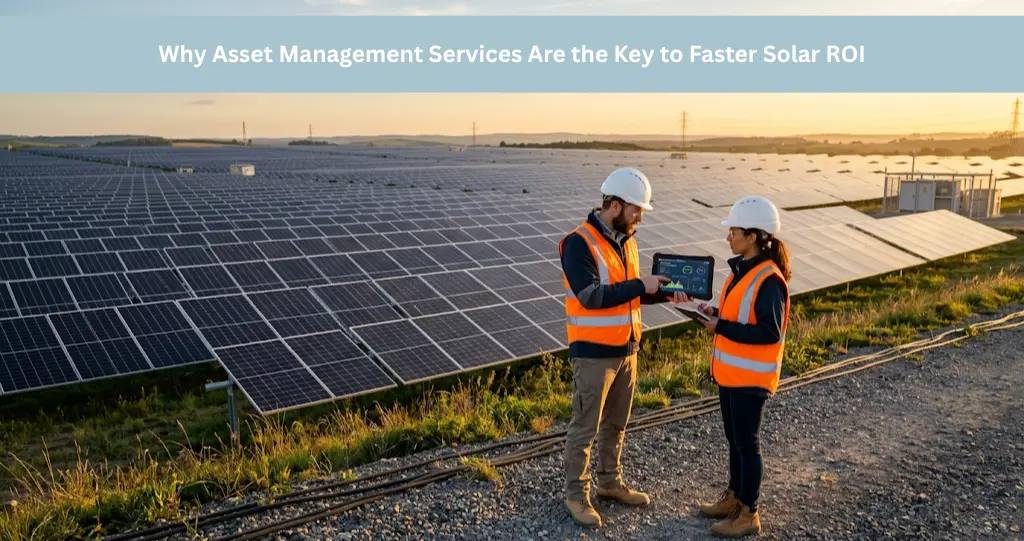
It is impossible to assess losses related to blocking by dust visually. This is where the importance of solar asset management comes into play. Through continuous monitoring, it is possible to identify any unusual generation of electricity and find out if there is anything wrong with the performance of the equipment or any other issue of malfunctioning. Solar asset management services can combine background monitoring, diagnostic tasks, and predictive maintenance to ensure that the intervention takes place in time. Waaree RTL is equipped with the means needed to perform asset management, including real-time analytics, drone thermography, predictive maintenance, as well as cloud monitoring.
How Should Maintenance Adapt to Site and Weather Conditions?
Dust accumulation changes across the seasons. Dry and windy seasons mean an increase in the level of dust blocking, while rain can offer some natural means of washing dust off the surfaces. Therefore, maintenance plans should be adjusted according to different weather conditions. Water availability should also be taken into account when scheduling the cleaning processes. In case of large projects, it is possible to design the plant to make it more convenient for maintenance purposes, using appropriate placement of the modules, internal roads, and accessibility to the equipment.
An experienced EPC solar company is capable of satisfying this body of requirements during design and implementation. Waaree RTL's ground-based solar solutions comprise this engineering, being specific to the site, SCADA implementation, and deployment of digital technologies for large-scale projects.
How Can Preventive Maintenance Improve Long-Term Performance?
The efficient process of maintenance involves easy steps: checking, tracking, cleaning, measuring, and improving. After cleaning, it is crucial to check the performance to see if the efforts paid off. If the results do not improve, the team can search for other causes instead of repeating the cleaning procedure. The combination of preventive measures with solar asset management services allows big plants to allocate their resources smartly. The example of Waaree RTL’s Acciona project shows how robotic cleaning, as well as predictive and real-time maintenance, can work in the solar plant.
Conclusion
Maintaining ground-mounted solar installations in dusty areas is not a question of cleaning them often enough. Instead, it involves an accurate approach that is focused on the site’s conditions, generation information, availability of water, and seasonal factors.
Regular inspections, proper solar panel maintenance tips, and automated cleaning methods where possible, as well as data-driven solar asset management conditions, will allow keeping the functioning of the plantation at the necessary level.
FAQs
Dust may prevent sun rays from reaching the photovoltaic cells and can even result in lower energy production than expected from the solar plant.
The cleaning frequency depends on the local dustiness level, weather, the amount of precipitation, and the level of impact of dust on the generation process.
Yes. Automated cleaning can help maintain the installation and use less water wherever possible.
The answer to the question can include understanding performance monitoring, maintenance planning, and obtaining the necessary information on generation issues.
Yes. The solar EPC company is able to take into account installation accessibility, module setup, and construction when designing the project.



Blog Comment Form