If you are planning a solar project, one question comes up before almost everything else: do the panels go on the roof or on the ground? It sounds simple, but the answer shapes your budget, your timeline, how much power you can generate, and how easy the plant is to look after for the next 25 years.
The panels themselves are the same either way. What changes is the structure under them, the space they need, the work on site, and the way the project gets built. This guide walks through both options in plain language, so you can match the choice to your site and not to whatever someone suggested first.
Ground Mount vs Roof Mount Solar: The Basic Difference
Rooftop solar means the panels sit on a building you already own, such as a factory shed, warehouse, school or office. Ground-mounted solar panels sit on steel structures fixed into the land, whether that is an open plot, an unused corner of your campus, or a dedicated project site.
That one difference decides a lot. A roof gives you a fixed amount of space, a fixed direction, and a fixed load limit. Land gives you room to design the plant the way it should be designed, but it asks for space, civil work, and a longer build.
When Rooftop Solar Makes Sense
Rooftop solar panels are the natural choice for most homes, small businesses, and many commercial buildings. You are using space that would otherwise sit idle, and the power is generated right where it is used, which keeps cable runs short.
A rooftop solar installation usually works well when:
- You have a large roof with little shade, like a warehouse or factory shed
- The roof is in good condition and can take the extra weight
- Your power needs fit within what the roof can hold
- You want to start cutting electricity bills quickly, without buying or leasing land
The limits are just as clear. Once the roof is full, that is your ceiling. Direction and slope are already decided for you, nearby buildings or water tanks can throw shade, and an old or weak roof may need repairs before anything goes up. Cleaning and inspection also happen at height, which needs proper safety planning.
If you run a large commercial building, our guide on commercial rooftop solar panels covers what to check before installing. For roofs that cannot take heavy structures, flexible panels for warehouse roofs are worth a look.
When Ground Mounted Solar Panels Are the Better Fit
Ground-mounted solar projects make sense when the roof simply cannot deliver what you need. Maybe your energy requirement is bigger than any roof you own, maybe the roof is old, shaded, or crowded with equipment; or maybe you have spare land sitting unused.
The upsides:
- Capacity grows with the land, so you are not capped by roof size
- Tilt and direction can be set for the best yield, and trackers can be added where they make sense
- Cleaning and maintenance happen at ground level, which is easier and safer
- Adding capacity later is simpler when there is land next to the plant
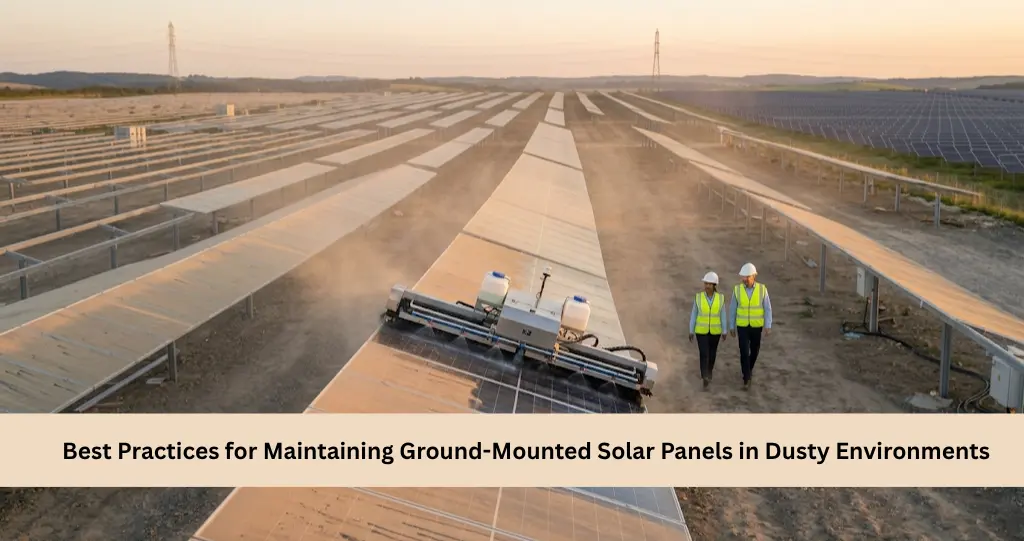
The trade-offs are real too. You need land, either owned or leased. Foundations, mounting structures, fencing, and access roads add cost and time. The distance from the panels to the grid connection point is usually longer, and depending on the size of the project, land use and other approvals can come into play. Dust, vegetation and site security also need planning.
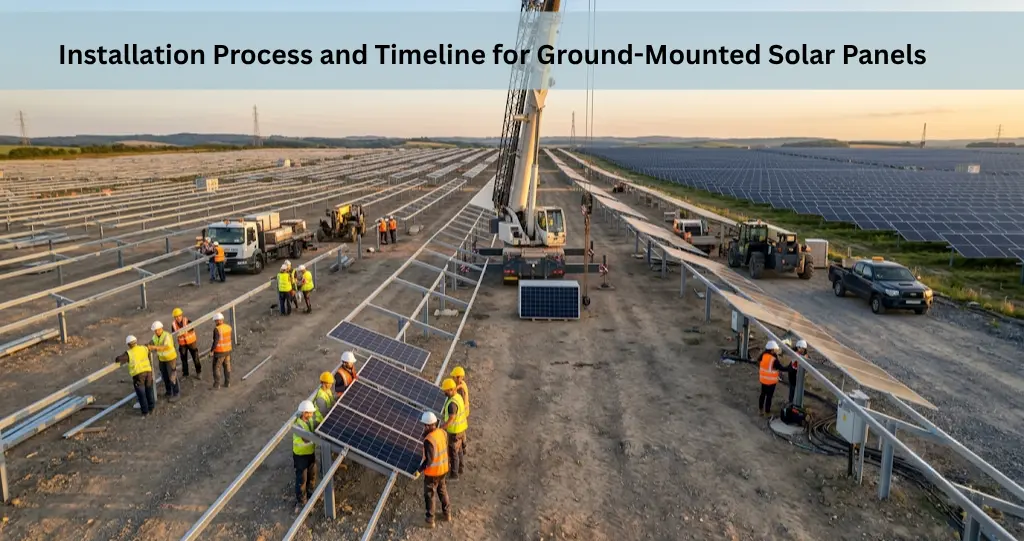
If this sounds like your site, our posts on the installation process and timeline for ground-mounted solar panels and how to source a ground-mounted solar power system go deeper.
Ground Mount vs Roof Mount Solar at a Glance
|
Factor |
Rooftop solar |
Ground-mounted solar |
|
Space |
Uses your existing roo |
Needs dedicated land |
|
Typical scale |
Homes to large commercial building |
Large commercial, industrial and utility scale |
|
Upfront cost |
Usually lower for small and mid-size systems |
Higher because of land and civil work |
|
Energy yield |
Depends on roof angle, direction, and shade |
Can be designed for the best angle, with trackers if needed |
|
Installation |
Faster on a sound roof |
Longer, with foundations and site work |
|
Maintenance |
Often at height |
At ground level |
|
Expansion |
Limited by roof area |
Easier if more land is available |
|
Approvals |
Fewer in most cases |
Land use and other clearances may apply |
Questions to Ask Before You Decide
Before you pick a side in the ground mount vs roof mount solar debate, get honest answers to these:
- How much power do you need? Check your last 12 months of electricity bills, then see how much capacity your roof can realistically hold. If it falls short, ground mount enters the picture.
- What shape is the roof in? Panels can run for 25 years or more, so the roof underneath should be able to last as long. A roof that needs replacing in five years is a problem to solve first.
- Do you have land you are not using? Idle land near your power connection is the best case for ground mount.
- How soon do you need the plant running? Rooftop projects are generally quicker to build.
- Will your power needs grow? If yes, think about where extra capacity will go.
- Where is your grid connection point? The farther it is from the plant, the more it adds to cost and losses.
You can also test the numbers with our savings calculator before you talk to anyone.
Can You Use Both?
Often, yes. Many industrial sites put solar on the roof first because it is the quickest win, then add a ground-mounted plant on spare land to cover the rest of their load. It is not an either-or decision if your site has both the roof and the land.
Why Your Solar EPC Company Matters More Than You Think
Whether you pick roof or ground, the plant is only as good as the way it is designed and built. A solar EPC company handles engineering, procurement, and construction under one roof, so a single team is accountable for the site survey, structural checks, design, equipment, installation, testing and commissioning. A good one will also tell you plainly when the roof is not the right answer.
At Waaree Renewable Technologies, we have completed 5 GW of projects, including more than 10,000 rooftop projects, backed by 15 years of EPC experience. We also offer asset management, so the plant keeps performing long after commissioning.
If you are weighing a rooftop solar installation against ground-mounted solar projects, our team can look at your site and tell you which one suits it. And if you are still comparing partners, these questions to ask an EPC company before signing will help.
Conclusion
There is no single winner here. Rooftop solar is usually the simpler, cheaper way to start when you have a good roof and moderate power needs. Ground-mounted solar wins when you need more capacity than a roof can offer, have the land, and want more control over design. Look at your roof, your land, your power bills, and your plans for the next few years, and the right answer tends to show itself.
Not sure which way to go? Talk to our team, and we will assess your site with you.
FAQs
It depends on your site. If you have a sound roof with enough space, rooftop solar is usually simpler and cheaper to start with. If the roof is too small, shaded, or weak, or you have spare land and need more capacity, ground-mounted solar is the better fit.
They can be, especially when you need more power than a roof can hold or want panels set at the best angle and direction. The extra cost of land and civil work needs to be weighed against the added capacity and easier maintenance.
Ground-mounted systems are usually easier, since technicians work at ground level. Rooftop systems can need safety equipment and extra planning for access at height.
It can, because the panels can be set at the ideal tilt and direction, and trackers can be used. The actual output depends on the site, the equipment, and the design.
Depending on the size and location of the project, land use and other clearances can apply. Most rooftop installations need fewer approvals. Your EPC partner should guide you through what applies to your site.



Blog Comment Form