With the rising cost of energy, many commercial and industrial firms have started installing solar panels that are fixed on the ground level to help cut down their cost of electricity and make their business energy independent. While roof-mounted systems are common, ground-mounted solar panels are better suited for factories, warehouses, schools, colleges, industries, and business campuses where there is enough room available.
Installing a ground-mount solar system entails much more than just choosing good-quality solar modules. This process demands careful planning, engineering, approvals, and professional installation. An EPC firm like Waaree RTL can assist in doing all these things right and efficiently.
Reasons Why Businesses Should Go for Ground Mounted Solar Panels
Ground mounted solar panels provide more design flexibility compared to roof-mounted systems since the former can be placed at the optimal angle to catch more sunlight. Moreover, these are easy to access and maintain while being expandable for increasing future energy needs.
Some benefits of these panels for businesses include:
-
Increased energy generation possibilities
-
Simpler maintenance and inspection procedures
-
Better airflow around the panels
-
Easily expandable systems
For organisations with available land, a ground-mount solar system can provide dependable, long-term energy savings.
Factors to Consider Before Sourcing a Ground Mounted Solar Power System
Assess Land Suitability
The first consideration is to evaluate the suitability of the location for installation. This should ensure that the site receives enough sunlight throughout the day, stable soil conditions, proper drainage, and enough space for installation and maintenance activities. The placement of the solar panels on the ground should also consider the potential for expansion in the future and ease of equipment access.
Understanding Your Energy Requirements
The evaluation of the current and future energy requirements helps to identify the appropriate capacity of the ground mount solar system. It would be helpful for businesses to consider monthly power bills, maximum demand, operation hours, and future expansion plans. Proper sizing will help to get the highest ROI without oversizing the system.
Regulatory Considerations
For commercial ground mounted systems, there might be some regulatory considerations that should be addressed before installing the system. This might include approvals from local authorities and utility companies. Working with an experienced epc contractor for solar power plant projects helps simplify the approval process and minimise delays.
Choose Quality Components
The durability of any solar power system in the long run lies in its constituent components. It is important to select solar panels, mountings, inverters, cabling, and monitors carefully for business. This ensures that there is higher efficiency of the system along with lower cost of maintenance.
Planning for Future Expansion
Energy needs are likely to increase as companies expand their business activities. While purchasing the ground mount solar panel system, one must keep in mind whether or not there will be enough land available to accommodate the need to scale in future.
Choose the Right EPC Contractor
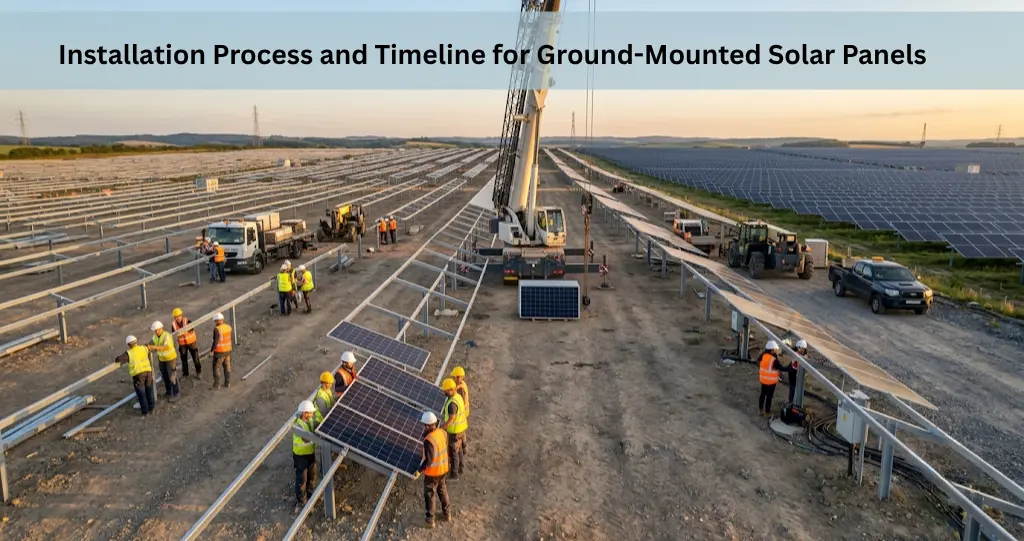
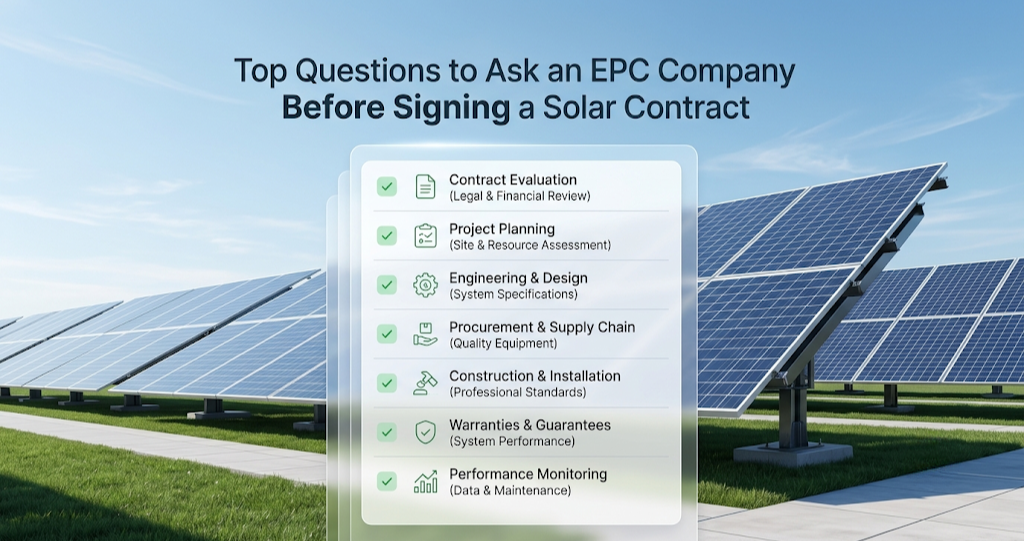
Selection of an ideal epc contractor for a solar power plant is an important decision to take at the time of sourcing. The ideal EPC partner will take care of the engineering, procurement, construction, testing, and commissioning of the project without compromise on quality, safety, and compliance with regulations.
An ideal EPC contractor should have:
• Prior experience in handling commercial projects
• Good engineering skills
• Effective procurement processes
• Effective project management
• Good after-sales services
An informed EPC partner can help in reducing risks while delivering the project within the planned timeline.
Evaluate Engineering and System Design
Every commercial site has its specific demands and thus needs an appropriate engineering solution. Issues like soil condition, wind load, cables, module placement, drainage, and structural design affect the performance of the solar energy system in the long run.
Engineering ensures optimum electricity production from ground mounted solar panels.
Consider Long-Term Operations and Maintenance
Sourcing does not come to an end when the installation process is over. Periodic maintenance helps in keeping the system functioning well and prolonging its lifespan.
Businesses need to consider:
• Preventive maintenance program
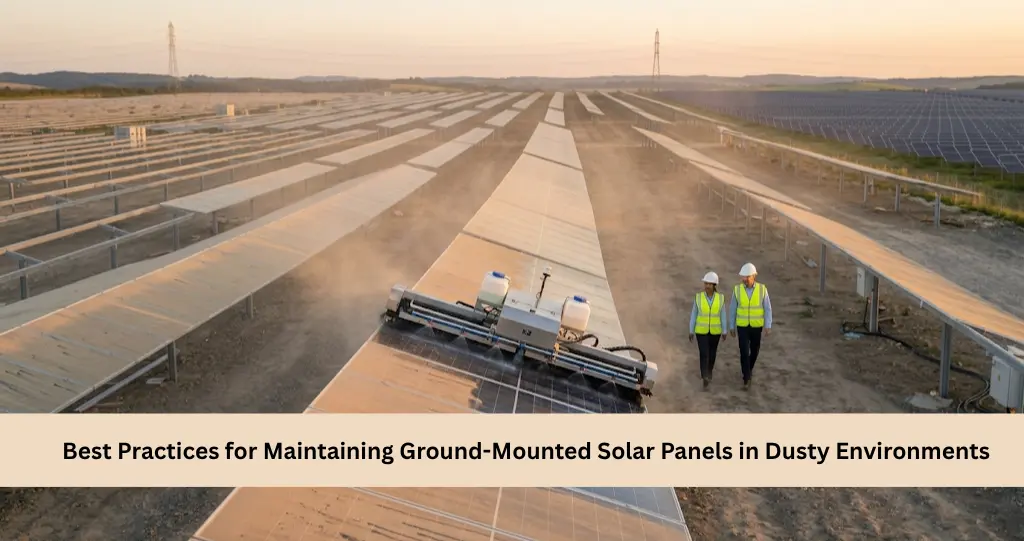
• Cleaning of the modules
• Remote monitoring system
• Detection of faults
• Performance checks
The proper maintenance of the solar system ground mount will ensure efficient operation and maximum energy production for many years.
Focus on Lifetime Value
While the installation price is very important, businesses should not choose the solar system based on the cost. It is necessary to consider the overall value of the installation.
One must compare the following parameters:
• Potential of energy production
• Equipment warranty period
• Quality of the installation
• Guarantees of performances
• Maintenance support
A quality solar system with properly chosen equipment will bring more benefits.
Conclusion
Choosing to invest in ground mounted solar panels is a way for organizations to save on electricity costs while at the same time being environmentally sustainable. This does require good planning and understanding of land requirements, sturdy, durable equipment, a scalable system, and proper execution of the whole process. Through a good EPC contractor for solar panels such as Waaree RTL, organizations can install their ground-mounted solar panels that are durable, functional with optimum performance.
FAQs
A ground mount solar system is one where solar panels are mounted on ground-anchored structures, not rooftop structures. This is a solar setup that works well for businesses having ample land space.
It is best suited for those organizations that have adequate land and high power usage, such as factories, storage buildings, institutions, or industries.
An experienced EPC contractor takes care of engineering, procurement, installation, getting desired approvals and commissioning of the system.
Yes, the capacity of most ground-mounted solar systems can be increased in size if provision for the same is made at the time of designing the system.
The typical lifespan of a commercial ground-mounted solar system is close to 25 years or even more.
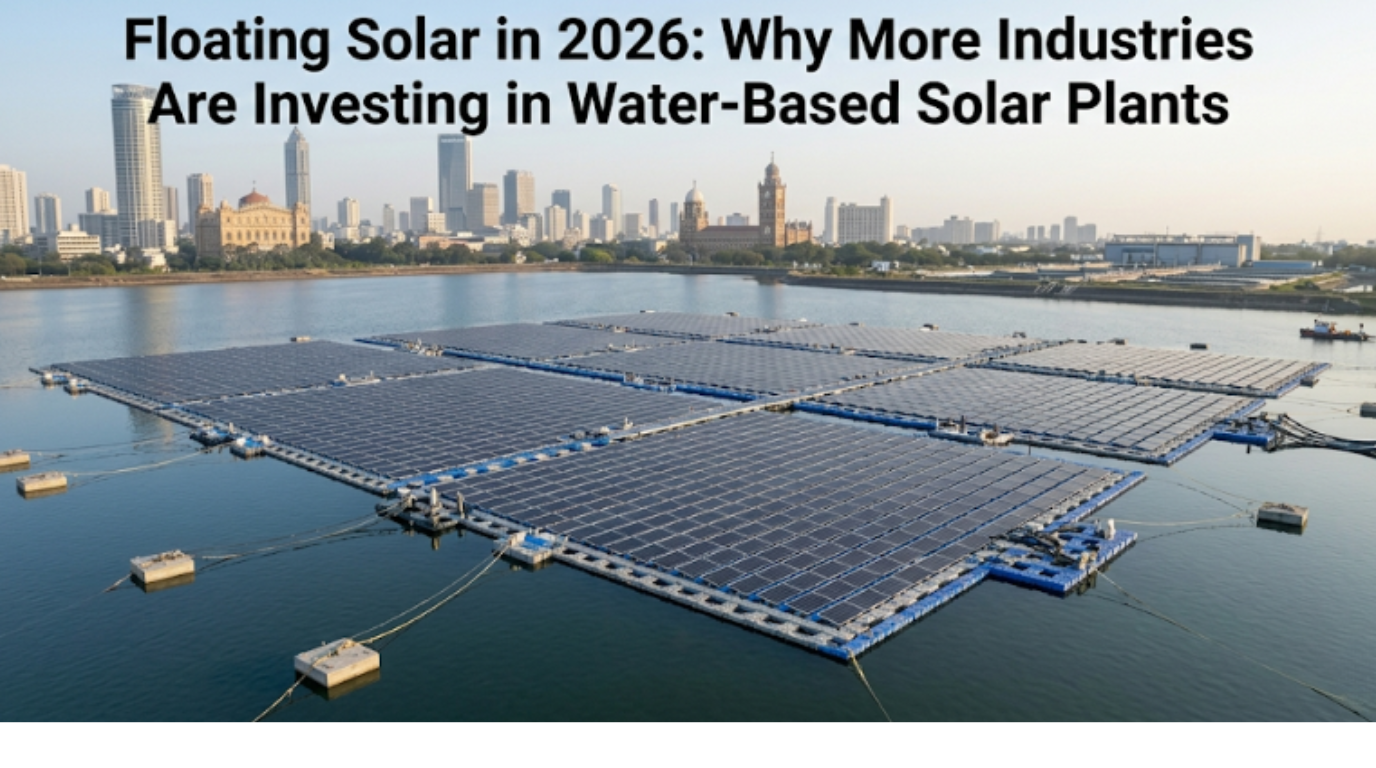
Floating Solar in 2026: Why More Industries Are Investing in Water-Based Solar Plants
Previous Blog



Blog Comment Form