A solar plant must be maintained effectively to ensure optimal performance during operation. This just becomes as important as its installation. Choosing the right solar plant maintenance approach has an impact on energy output, system lifespan, and return on investment.
Most businesses often have to make an important decision - should they rely on the EPC provider associated with the brand for ongoing services, or opt for an independent third-party provider? Let us see the difference between these approaches to make the right choice.
Understanding the Role of a Solar O&M Company
A solar O&M company ensures efficiency of solar plant operation through the lifecycle, which includes period monitoring, detection of any faults, and timely repair activities.
The firm is mainly responsible for:
- Periodic monitoring of real-time system performance
- Managing preventive and corrective maintenance
- Maintaining equipment health and uptime
- Optimal energy generation at all times without any faltering
In many cases, solar operations and maintenance involve both on-site and remote support, ensuring that any issues are addressed quickly to avoid production losses. Although both concepts strive for maximizing efficiency and minimizing downtime, making the correct selection may have an important impact on your plant’s overall performance throughout its life cycle.
Third-Party Solar Asset Management: Flexibility and Specialization
Third-party providers focus exclusively on solar asset management and provide installation services, making them specialists with expertise.
Advantages of third-party providers:
- They can work flexibly without any challenges across different technologies and brands
- Competitive pricing due to independent operations
- Help maintain solar plants well without compromising on performance optimization
- Can customize service plans according to the needs of the business
With the use of advanced analytics and monitoring tools, the system performance is only enhanced to be more adaptive and data-driven.
For companies operating several plants that have been constructed by different contractors, outside organizations may provide some level of centralization.
Nonetheless, the shortcomings are difficult to ignore. For an organization that did not design or construct the plant, the only way to work with it is through existing information, which might not be sufficient, and machine interrelationships, which were not established by the third party. This may mean slow troubleshooting, cumbersome warranty management, and maintenance programs that are more reactionary than preventative. Eventually, this may cause energy production and profitability to decline by more than the savings initially anticipated.
EPC-Led solar plant maintenance: Integrated Knowledge
EPC providers who continue with solar plant maintenance bring the advantage of having built the system themselves and come with complete knowledge of the design of the plant, its components, and the steps of installation.
Key benefits include:
- Awareness of the complete design and engineering of the system
- Easier identification of any issues given previous experience
- Complete integration of all services, right from installation to maintenance
- Access to original equipment specifications.
This leads to quicker troubleshooting, smooth running of the warranty system, and a unified center of responsibility, therefore making EPC-led maintenance a better option for larger solar power systems.
Comparing Cost, Control, and Performance
When choosing between the two, businesses should evaluate three key factors:
1. Cost Efficiency
Whereas third-party solutions might seem more cost-effective at first glance, EPC-driven processes prove more cost-effective over time, as quicker troubleshooting and preventative maintenance through design considerations can significantly lower yield losses that frequently exceed any initial cost disparity.
2. Operational Control
The EPC-led companies use structured processes backed by design to deliver quality results. The flexibility provided by third parties is a good point for them, but lacking the plant's specific information, their flexibility may mean less accuracy.
3. Performance Optimization
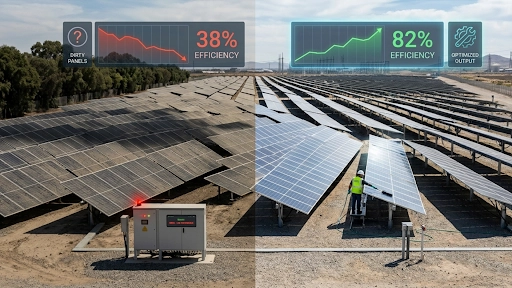
The EPC-led firms achieve optimal results through firsthand information on how each plant was designed and knowing the components with higher risks of wear-and-tear, areas with high dirt accumulation, and so forth.
The O&M of a solar power plant ultimately depends on how well the service provider can maintain uptime, reduce losses, and improve efficiency over time.
Which Model Works Best for Your Business?
Choosing between third-party and EPC-led maintenance depends on the business requirements.
One can go for a third-party provider when:
- Flexibility and cost optimization are prime objectives.
- The firm manages several plants with varied technologies
- One looks for a specialized maintenance-focused partner
One can choose the EPC-led approach if:
- One looks for continuity with the original system builder
- One wants a single point of contact for all requirements
- The plant has complex, customized engineering
- Long-term performance and yield protection are top priorities
- You need seamless warranty management backed by original OEM relationships
In essence, the decision for third-party or EPC-driven maintenance revolves around what adds maximum value over the course of time. While third parties bring some flexibility to the table, the EPC-driven approach brings more unique advantages in the form of specialized knowledge, seamless accountability, and consistent attention through the life cycle of the project.
Waaree RTLhas been one of the leading EPC firms that has completed more than 5 GW projects and manages an impressive portfolio of more than 1.2 GW of utility-scale, rooftop, and floating solar projects. The firm uses real-time monitoring and diagnostics systems on all its projects, along with experience with customers, to ensure optimal performance.
FAQs
Common solar plant performance issues include dust accumulation, inverter faults, shading, poor system design, and lack of regular maintenance.
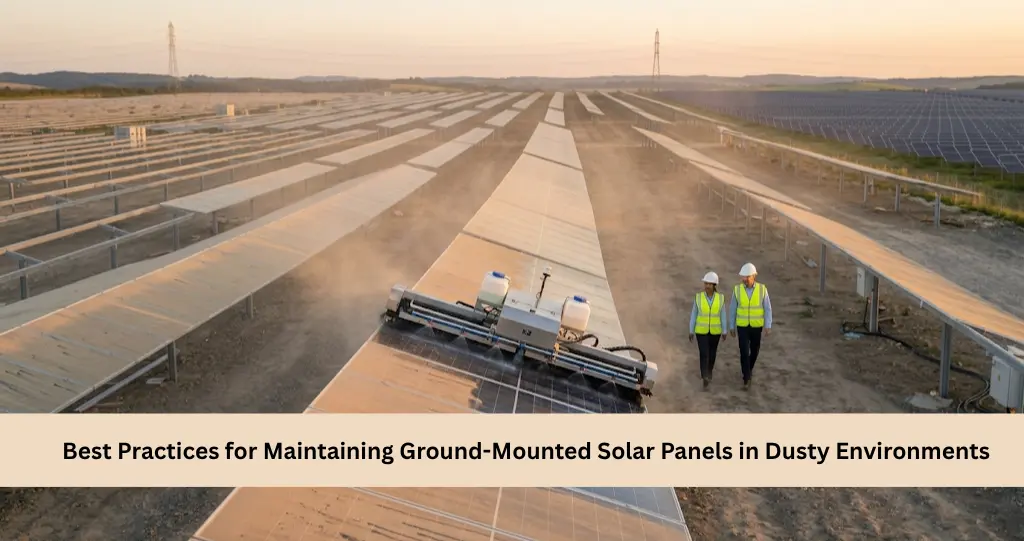
Solar plant cleaning should be done periodically based on location and dust levels to maintain optimal performance and efficiency.
Yes, shading can block sunlight, reduce energy generation, and cause uneven system performance, significantly impacting overall efficiency.
Monitoring helps detect faults early, reduce downtime, and avoid costly repairs by ensuring consistent system performance.
Components should be replaced when there is a noticeable decline in performance or when they reach the end of their lifecycle
Solar Plant Not Performing Well? 6 Common Reasons and How to Resolve Them
Previous Blog



Blog Comment Form