Warehouses are an important part of the logistics sector and help with inventory management, manufacturing, cold storage, and distribution activities. A warehouse typically runs several pieces of electrical equipment and consumes substantial electricity every day, which helps operate lighting systems, automation equipment, ventilation, and temperature-controlled infrastructure. This helps manage operational expenses, and hence several warehouses are considering investing in commercial rooftop solar solutions that enhance efficiency while supporting sustainability targets.
For companies that are keen to reduce electricity dependency while enhancing energy resilience, it becomes helpful to deploy solar power systems for strategic needs, such as an environmental initiative.
Why Commercial Rooftop Solar Works Well for Warehouses
Most warehouses are architecturally designed to support large-scale solar integration. They often come with flat or low-sloped rooftops that provide adequate space for placing panels effectively, enabling businesses to generate energy, making commercial rooftop solar valuable for industrial and logistics operations.
Energy consumption in warehouses is predicted by fixed energy consumption patterns. Several pieces of equipment, conveyor systems, storage technologies, and lighting infrastructure work during peak daylight hours and can be easily aligned with solar power generation. This synchronization enables businesses to offset a significant share of their electricity costs. One other significant advantage is proper utilization of infrastructure, where rooftops can be converted into productive assets contributing towards long-term operational savings.
Additionally, solar-powered facilities strengthen a company’s sustainability positioning among investors, partners, and environmentally conscious clients
Rooftop Solar Installation for Large Industrial Facilities
When it comes to modern businesses, the energy systems must be scalable and practical, and should be able to adapt to operational demands. A professionally planned rooftop solar installation enables warehouse operators to have better, sustainable energy consumption while reducing pressure on the grid.
Industrial warehouses also have several roof sections, ventilation systems, HVAC equipment, and utility structures. With proper planning, solar deployment can help maximise available space without interfering with facility operations. With proper implementation of engineering and installation strategies, the performance is also enhanced.
A well-designed rooftop solar system also helps with energy planning, as businesses can better predict long-term operational expenses. This helps manage extensive facilities with the desired level of stability while the energy prices continue to fluctuate.
Flexible Solar Panels for Structural Adaptability
Industrial buildings are not always designed with traditional heavy solar systems in mind. Some warehouse roofs may have structural limitations, lightweight construction materials, or curved architectural layouts. This is where flexible solar panels are ideal for use in commercial applications.
Flexible solar panel kits are light in weight and are easy to install on rooftops, especially in older warehouses when structural burden must be minimal. They can be easily integrated without any compromise on energy generation capacity.
Flexible Solar Panel Kit Solutions for Expanding Warehouses
There is continuous growth in industrial operations, which means the system installed must be scalable to meet all future needs. A flexible solar panel kit offers modular deployment capabilities, making it ideal for use in warehouses in different locations or even in the case of phased infrastructure developments. Warehouses that have segmented rooftops can adapt with flexible solar panel kits, which ensure the deployment is practical across industrial structures.
Flexible solar panels are also lightweight in nature, making it easy to transport and install them without any disruption. Additionally, there are reduced structural modification requirements with well-planned rooftop solar installation, enabling businesses to integrate cleaner energy solutions smoothly into existing infrastructure.
Why EPC Expertise Matters in Commercial Solar Projects
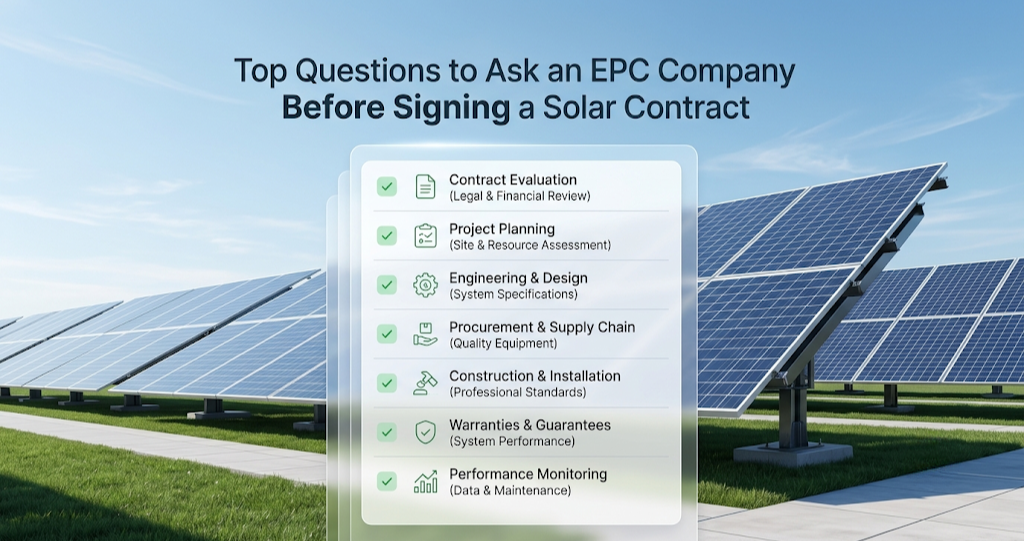
Choosing the right EPC contractor for a solar power plant enables the successful implementation of commercial solar projects, given their expertise in technical planning, engineering precision, and long-term performance optimization. With an experienced solar EPC company, everything is taken care of onsite, right from assessing the site to engineering design and procurement, installation, commissioning, and performance monitoring. An EPC provider also evaluates the suitability of the roof, power consumption patterns, dependency on the grid, load distribution, and future scalability requirements. This helps in the seamless execution of the project without operational inefficiencies.
As industries are continually prioritizing the shift to sustainable sources of energy and focusing on sustainability and operational efficiency, commercial rooftop solar adoption with the help of the right EPC provider like Waaree RTL is becoming a part of important business decisions rather than just being a decision for environmental needs.
FAQs
Warehouses are ideal for installing solar energy systems, given they have large rooftop spaces, which can make them suitable for solar energy generation and long-term electricity savings.
It is ideal to go for flexible systems, given that they are light in weight and easily adaptable.
Solar systems, when installed, reduce dependency on the grid for electricity needs and help predict expenses.
Modular flexible solar panels can be scaled in accordance with future needs and increasing energy requirements.
Reliable EPC providers like Waaree RTL come with expertise in providing optimized system performance, smooth project execution, and long-term operational reliability.
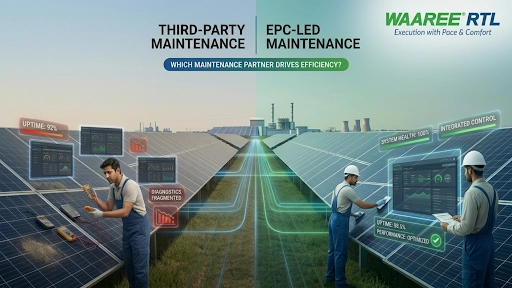
Third-Party vs EPC-Led Solar Plant Maintenance: What Should You Choose?
Previous Blog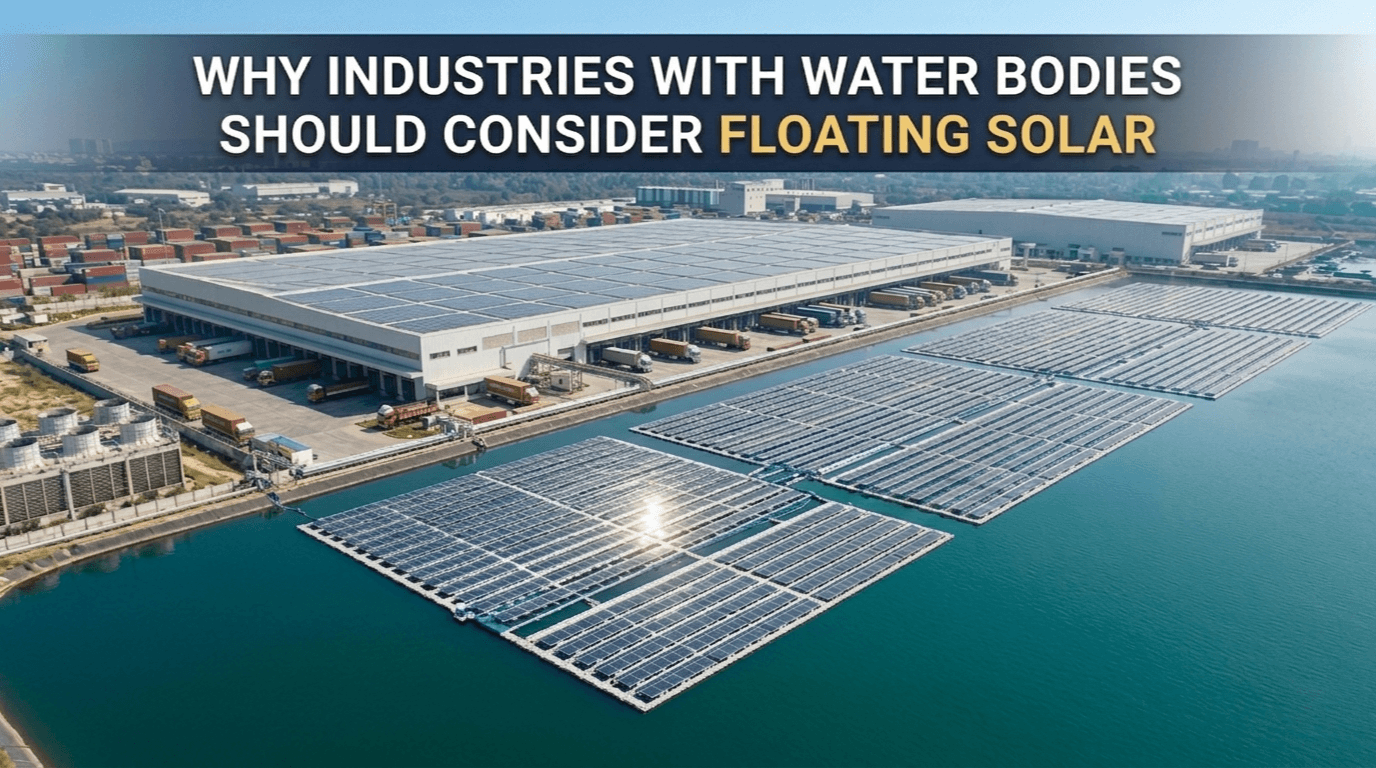



Blog Comment Form